Paid Ads·March 2, 2026·14 min read·Andre Alves
The hurricane season ad playbook for Florida roofers
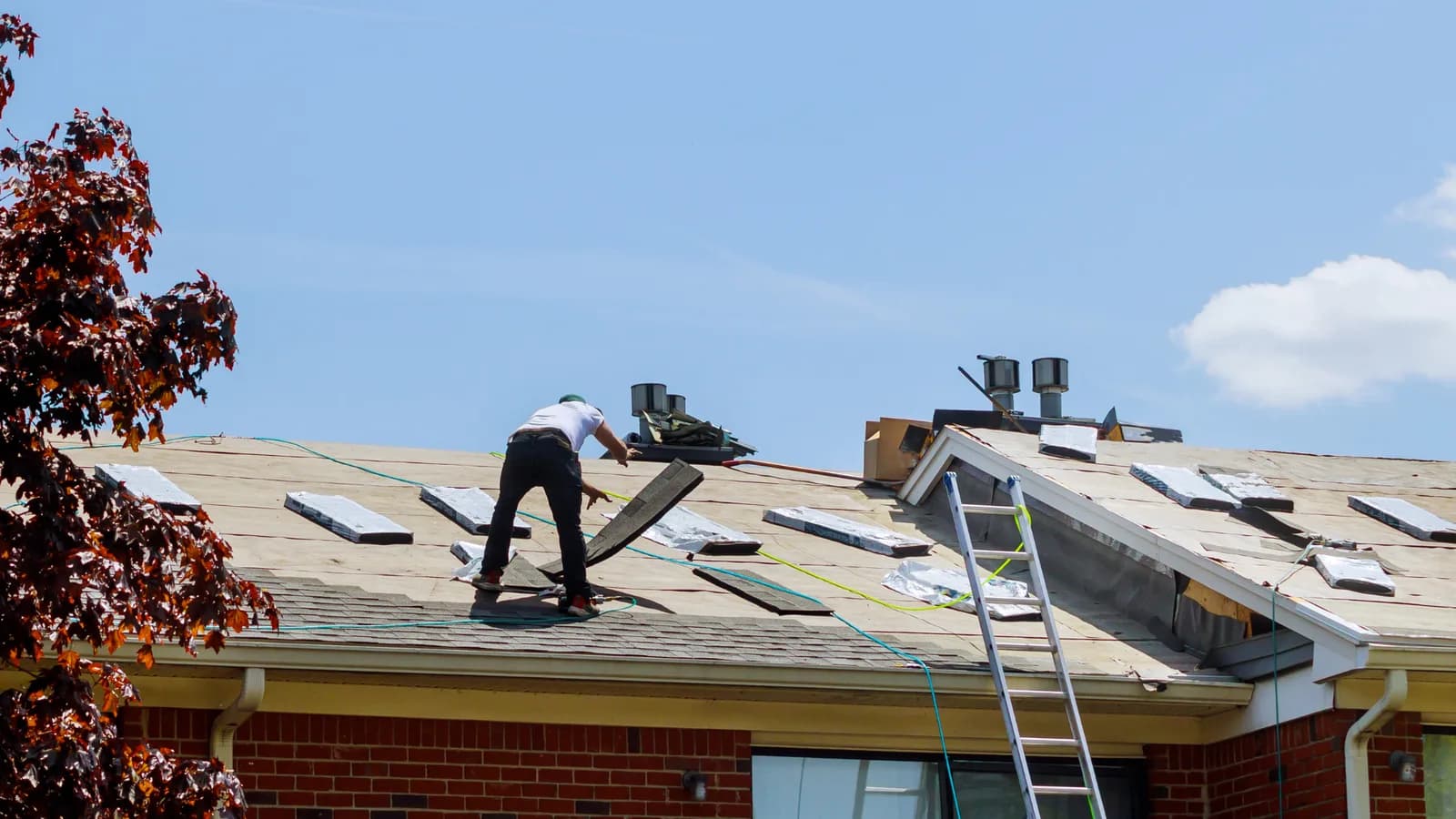
Hurricane season is the single biggest revenue window of the year for Florida roofing contractors, and almost every contractor runs it wrong. They treat it like a surge they have to react to, when the actual winners treat it like a prepared campaign they activate on a schedule. The difference between a reactive hurricane season and a prepared hurricane season is usually 3 to 5x in booked revenue, sometimes more.
This post is the exact playbook we use at Reimagine to prepare roofing clients for hurricane season. It assumes you have the basics in place: a GBP, a functional website, and some existing review volume. It will not teach you how to run a roofing business. It will teach you how to extract the maximum from the one marketing window of the year where demand massively outstrips supply.
A note on timing: hurricane season in Florida runs from June 1 to November 30, with peak activity in August, September, and October. Every timeline in this post is relative to June 1. Start early. The contractors who start their prep in April win the season. The contractors who start in July are already behind.
March to April: Foundation work
The work you do in March and April is the work that determines whether your storm campaigns will actually convert in September. There is no shortcut. If you are reading this in July, you have already missed the foundation window and you are stuck doing compressed versions of the following steps. Plan to start earlier next year.
First, audit your Google Business Profile. Make sure every service category is populated. Add 'storm damage repair' and 'emergency roof repair' as services if they are not already there. Populate service area polygons for every county you cover. Upload at least 20 photos of completed storm repair work if you have them, or stock-appropriate photos of your crew and trucks if you do not. Make sure every photo is geotagged.
Second, seed 15 to 20 Google Q&A entries focused on storm-specific questions. Examples: 'Does my insurance cover storm damage?' 'How quickly can you inspect my roof after a storm?' 'What is the difference between wind damage and hail damage?' 'Can I file a claim without an adjuster?' Each answer should be written in your voice, not AI-generic, and should reference your actual service area by name.
Third, build or update your service pages for insurance claims, storm damage inspection, emergency tarp services, and if applicable, My Safe Florida Home certification. These pages need to be live and indexed in Google by May 1 at the latest. Structured data on every page. Local references in the body copy. Mobile page speed at or above 90 out of 100.
May: Tracking and campaign pre-build
In May you set up everything you will need to launch campaigns fast once a storm enters the Gulf. Think of May as your prep-rack. The goal is to have every campaign sitting in Meta Ads Manager and Google Ads, paused and ready, so that when a named storm crosses latitude 25 you can activate in hours instead of days.
Set up dynamic call tracking with unique numbers for each planned campaign. You need to be able to measure calls per campaign, per keyword, per ad creative. If you are not already using a call tracking platform, CallRail or CallTrackingMetrics are both fine. Integrate the tracking numbers into your website headers and into your Google Business Profile for the weeks you plan to run campaigns.
Install Meta Pixel and Conversions API on your website if you have not already. Test both in real time. Make sure your lead form events fire correctly in Events Manager. The Meta CAPI integration is especially important during storm season because pixel-only tracking loses 20-40% of conversions to iOS privacy updates.
Pre-build your storm campaigns in paused state. You should have: (1) a Meta Lead Form campaign targeting specific counties within a 50-mile storm damage radius, (2) a Google Ads Search campaign targeting emergency repair keywords with tight geographic targeting, (3) a Meta retargeting sequence for anyone who visits your storm damage pages, and (4) a YouTube pre-roll campaign for post-storm brand recall. All four campaigns should be fully built, creative approved, pixels firing, and paused. Your activation plan is to unpause them in sequence within 6 hours of a storm entering the Gulf.

June 1: Season opens
On June 1 you flip one thing on: your baseline Meta lead form campaign for pre-storm inspections. This is a soft opener at low budget ($50 to $100 per day) running across your primary service counties. The creative should be around proactive inspections and insurance documentation, not urgent storm damage. The goal is to start building a retargeting audience and to keep your Meta pixel in learning mode so it is ready when volume picks up.
Monitor your GBP calls weekly starting June 1. Any change in call volume is an early indicator of storm conversations spreading on local networks. Also monitor your website direct traffic and branded search volume in Search Console. If any of those metrics start climbing, it often means something is brewing regionally even before the news picks it up.

Named storm activation protocol
The moment a storm gets named and enters the Gulf, your activation clock starts. The goal is to have all paused campaigns live within 6 hours of landfall forecast confirmation. This is when preparation pays off. Contractors who are still building landing pages when the storm arrives have already lost 48 to 72 hours of the highest-intent traffic of the year.
Hour 0 to 2: activate your Meta Lead Form storm campaign targeting the projected landfall zone plus a 100-mile buffer. Start at $300 per day and scale within the first 24 hours based on cost per lead. Meta rewards rapid budget increases during high-intent windows, so do not be afraid to 2x or 3x budget on day two if the CPL is hitting your target.
Hour 2 to 4: activate your Google Ads search campaign. Emergency keywords should be running on max CPC bids for the first 48 hours. Quality score matters less during storm windows because the auction heats up across the board. The goal is to be at the top of the page when the first homeowners start Googling.
Hour 4 to 6: activate retargeting and YouTube pre-roll. These are secondary channels that reinforce the primary campaigns.
Hour 6 to 48: monitor every campaign hourly. Kill underperforming ad variants within 24 hours. Scale winners aggressively. Do not worry about spend efficiency during the first 72 hours: you are buying market position, not optimizing for CPL. Optimization comes later in the week when the initial surge stabilizes.
Related Service
Meta Ads
Storm season campaigns, lead forms, and retargeting. Managed by a co-founder who currently works at Meta.
See how it works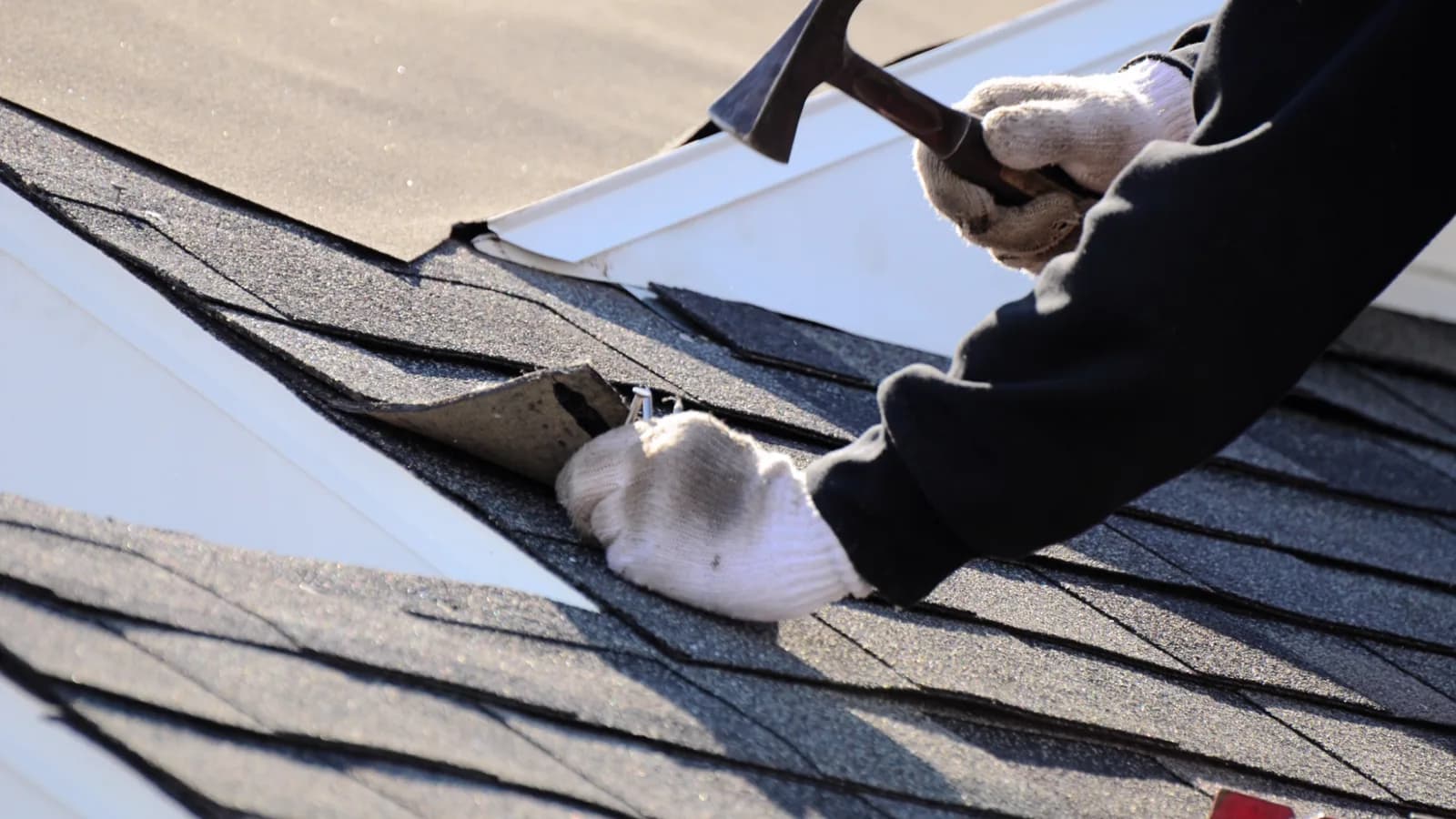
Post-landfall: 7 to 14 days
The 7 to 14 day window after a major storm is where contractors either build their best month ever or blow their budget chasing unqualified leads. The difference is whether you stay disciplined on lead qualification and whether you scale your crews honestly.
On leads: not every lead form submission is a real opportunity. Build a simple qualification script. Ask about insurance coverage, visible damage, and timeline. Homeowners who are hesitant, unsure, or looking for free inspections without any plan to actually file are not your target. Route them to a lower-priority bucket and focus crew time on the clearly urgent leads first.
On crews: if your marketing is working, you will generate more leads than you can close. This is a good problem if you handle it honestly. Do not overbook and then cancel. Do not accept jobs you cannot deliver on within a reasonable timeframe. Your reputation during storm season determines your reputation for the next 12 months. One bad storm response can cost you years of Google reviews.
On reviews: every completed storm repair should trigger your automated review request within 24 hours of job completion. Do not wait until the following week. Do not batch them. Same-day review asks during storm season have conversion rates 2 to 3x higher than normal because the homeowner is still relieved and emotionally engaged.
End of season: September to November
September through early November is when the compounding returns from your prep work actually show up. Your GBP has 40 to 80 new reviews. Your Meta pixel is trained on hot traffic. Your Google Ads quality scores are at all-time highs. Your website has accumulated backlinks and traffic signals Google associates with authority for storm-related queries. All of these assets carry forward into the off-season.
During this window, start transitioning from emergency storm campaigns to planned repair and inspection campaigns. Homeowners who had minor damage are now thinking about repair before winter. Insurance claims filed during the storm are still being processed and converting into actual jobs. Pre-storm proactive inspections for the following year are a viable campaign angle starting in late October.
Also, this is the window to write case studies. Every significant storm job should become a case study with before-and-after photos, process notes, and customer quotes. These case studies will fuel your marketing for the next six months of off-season.
Takeaway
The difference between contractors who win hurricane season and contractors who scramble through it is preparation. The playbook above takes months of discipline to execute, but the payoff is a revenue window that can generate more business in 90 days than the previous six months combined.
If you are a Florida roofing contractor and you want help executing this playbook, Reimagine runs hurricane season Meta Ads and Google Ads campaigns for a limited number of clients every year. Territory is locked by trade and metro. If your trade and metro are still open, book a discovery call before April to get in the queue for the current season.
Work with Reimagine
Ready to build a lead pipeline for your business?
We take one contractor per trade per metro. A 30-minute call with no pressure: we confirm territory availability and fit, then you decide.
Most metros in Florida still have open slots.
Book a Discovery CallWritten by
Andre Alves
Co-Founder, Reimagine Digital Marketing · Owner-Operator, Rocket Garage Door Services
Keep reading
More playbooks
Services in this playbook