Local SEO·March 21, 2026·10 min read·Dr. Kebar Y
How to rank your Google Business Profile in 12 cities at once

A consistent complaint I hear from contractors: 'I want to rank in 12 cities across the county, but I only have one Google Business Profile. How do I show up in all of them?' The question is reasonable, and the answer is not what most agencies will tell you. You do not need 12 profiles. You need one disciplined profile running the right tactics for multi-city service areas.
A note on where this playbook comes from. My doctoral research focused on small business failure, specifically the operational and marketing patterns that predict whether a small business will survive its first five years. One of the strongest predictors of failure in service-area businesses is narrow geographic reach: contractors who only show up in their immediate home city and never expand their visibility into adjacent metros hit a revenue ceiling early and burn out chasing referrals. The countermeasure is disciplined multi-city ranking from a single profile, and it is exactly what this post walks through.
Quick context on my platform background as well, because it is relevant to everything that follows. I spent two years working at Google and I currently work at Meta. The perspective I bring to Google Business Profile strategy is not an external one read out of a certification guide. It is an insider's view of how the platform thinks about local ranking, and I have validated every tactic in this post against real data from Rocket Garage Door Services, the contractor my husband Andre and I started from scratch in Polk County.
This is the exact process we use at Reimagine to rank a single contractor GBP across multiple cities in the same county or region. We ran this playbook on Rocket under unusually harsh conditions: a restricted trade that blocked us from running Google Ads and a platform bug that prevented public review display for nearly two years. Despite losing those two amplifiers, the GBP discipline alone carried Rocket into the 3-pack for multiple Polk County cities. The principles apply to any service-area business in home services, and they apply even harder when the other levers are not available to compensate for a weak profile.
Before you start: this is a long game. Plan for 4 to 9 months of consistent execution. Contractors expecting overnight results should set that expectation aside now.

The one-profile rule
Google Business Profile terms of service are clear: you can only have one profile per business. If you operate as a service-area business (meaning you travel to customers, not the other way around), you cannot legally create multiple profiles to target multiple cities. Every agency that tells you otherwise is either ignorant of the terms or betting that your business will not get caught before they collect their retainer.
Suspended profiles from policy violations are extremely common in contractor trades. Once your profile is suspended, getting reinstated can take 2 to 8 weeks, and during that time your business is effectively invisible on Google Maps. The risk is not worth the imagined upside.
So the real question is not how to get around the one-profile rule. It is how to make one profile rank in many cities. That is a solvable problem, and the rest of this post is the solution.

Set up the profile for multi-city intent
Start with your service area configuration. In the GBP dashboard, add every city you actually serve. Not just your top 3, and not every city within 50 miles regardless of whether you actually go there. Add the cities you do real work in. If you travel to 12 cities, list 12. If you travel to 6 cities, list 6. The service area is not a keyword stuffing field, it is a business fact.
Configure your primary business category carefully. Use the most specific category that still describes your core service. For contractors, this usually means using the specific trade (Roofing Contractor, Paving Contractor, Garage Door Supplier) rather than the generic Home Improvement Contractor. Secondary categories should cover adjacent services you actually provide, not every category that looks relevant.
Populate your services list comprehensively. Each service should be a distinct offering with a clear name and a short description. Services are a ranking factor because they match query intent. If you offer emergency repair, 24-hour service, commercial installation, and residential replacement as separate services, list them separately. Do not combine them into one generic entry.

Build city pages on your website
Your GBP ranks in cities where Google has strong signals that you actually serve those cities. The single biggest signal is content on your website that references those cities by name, with local specificity, and with structured data. Thin templated city pages with the city name swapped in are actively hurting your rankings in 2026 because of helpful content updates. Every city page needs real content.
Real content means: at least 800 to 1,200 words per page, at least 3 unique local references (neighborhoods, landmarks, cross-streets, local events, historical detail), a city-specific FAQ section with 5 to 8 questions, schema markup for LocalBusiness with the specific service area, and internal links to 2 to 3 other related city or service pages. Repeat this for every city you want to rank in.
Photo or project references from each city help significantly. If you have completed work in Lakeland, put photos of Lakeland jobs on the Lakeland page. If you have no completed work in a city yet, consider whether you should really be targeting that city or whether it is aspirational. Targeting cities you have never worked in is a common source of thin pages that never rank.
Google Business Profile posts strategy
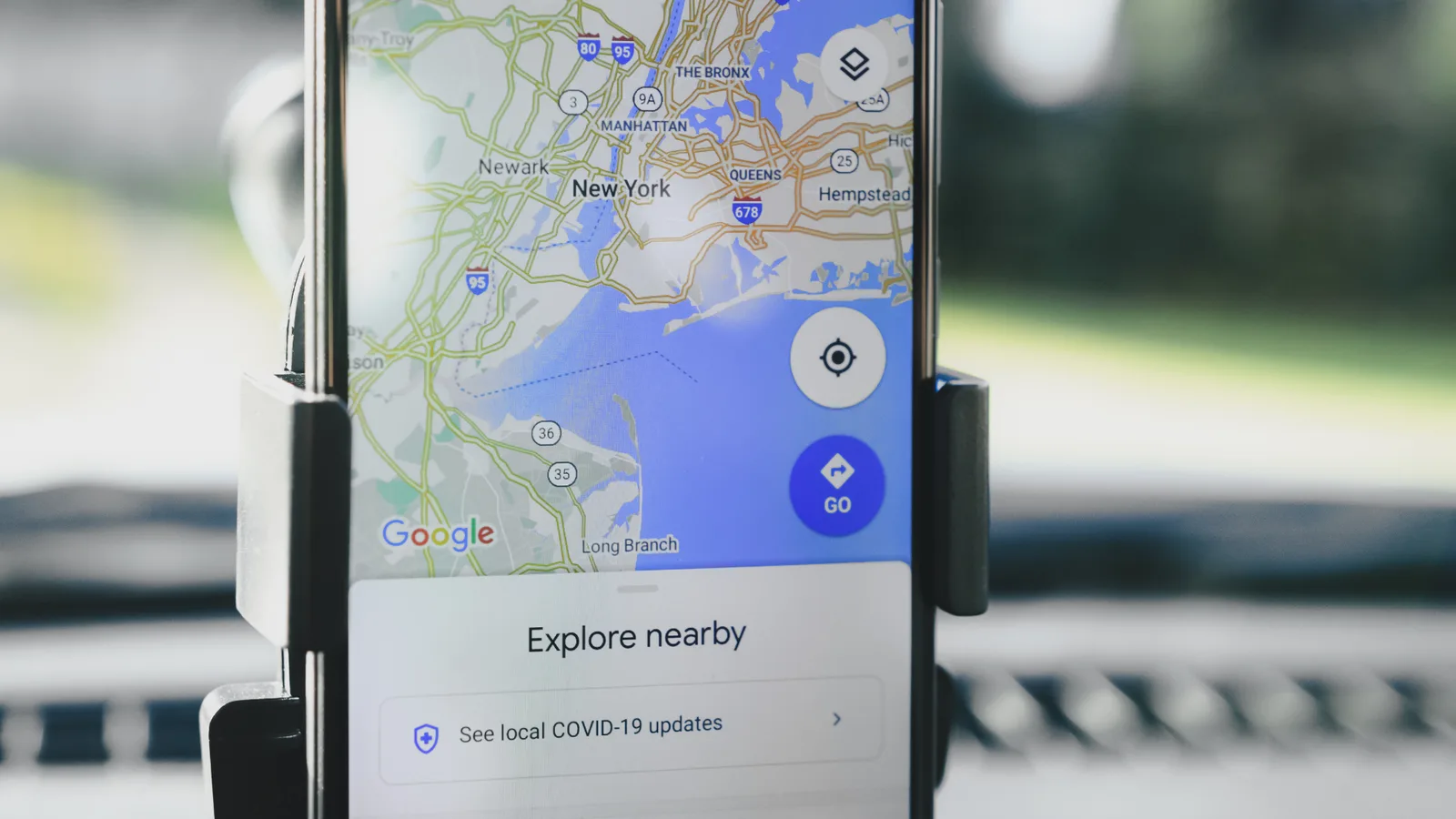
GBP posts are one of the most underused ranking levers in contractor marketing. Posts are temporary (they expire after 7 days for What's New, longer for Events and Offers), but they send freshness signals and relevance signals to Google's local ranking algorithm.
Publish at least 1 to 2 posts per week, and rotate city references in the post content. If your week 1 post is about a recent job, mention the city of that job explicitly. Your week 2 post might reference an upcoming promotion in a different target city. Over 12 weeks you can cover all 12 of your target cities at least once, and each mention contributes a small but compounding signal.
Photos in GBP posts should also be geotagged to the city being mentioned. Most phones geotag automatically, but many agencies strip EXIF data accidentally. Check that your uploaded photos retain location metadata, or manually tag them before uploading.
Related Service
Local SEO
Our flagship service. Rank your Google Business Profile in the top 3 and your website on page 1 for every city you serve.
See how it works
Review acquisition with city signals
Reviews are the single strongest map ranking factor, and reviews that mention specific cities compound the effect. When a customer in Auburndale mentions 'Auburndale' in their review text, Google takes that as a strong signal that your business serves Auburndale. Over time, a profile with geographically diverse review text ranks in more cities than a profile with identical review counts concentrated in one city.
You cannot instruct customers to mention specific cities in their reviews. That is review manipulation and Google will remove them. What you can do is ask customers to describe what you did for them in their own words, and if they happen to mention their city naturally, that is a win. The best review acquisition scripts ask something like: 'Would you mind sharing a few sentences about what we did and how it went?' Most people will naturally reference the place or context of the job.
Review response is equally important. Responding to a review about a job in Bartow with 'Thanks for choosing us for your Bartow project, it was great working on your home' reinforces the Bartow association from your side. Do this for every review, for every city, every time. Over 200 reviews of compounding responses, the effect is measurable.
Citation and NAP consistency per city
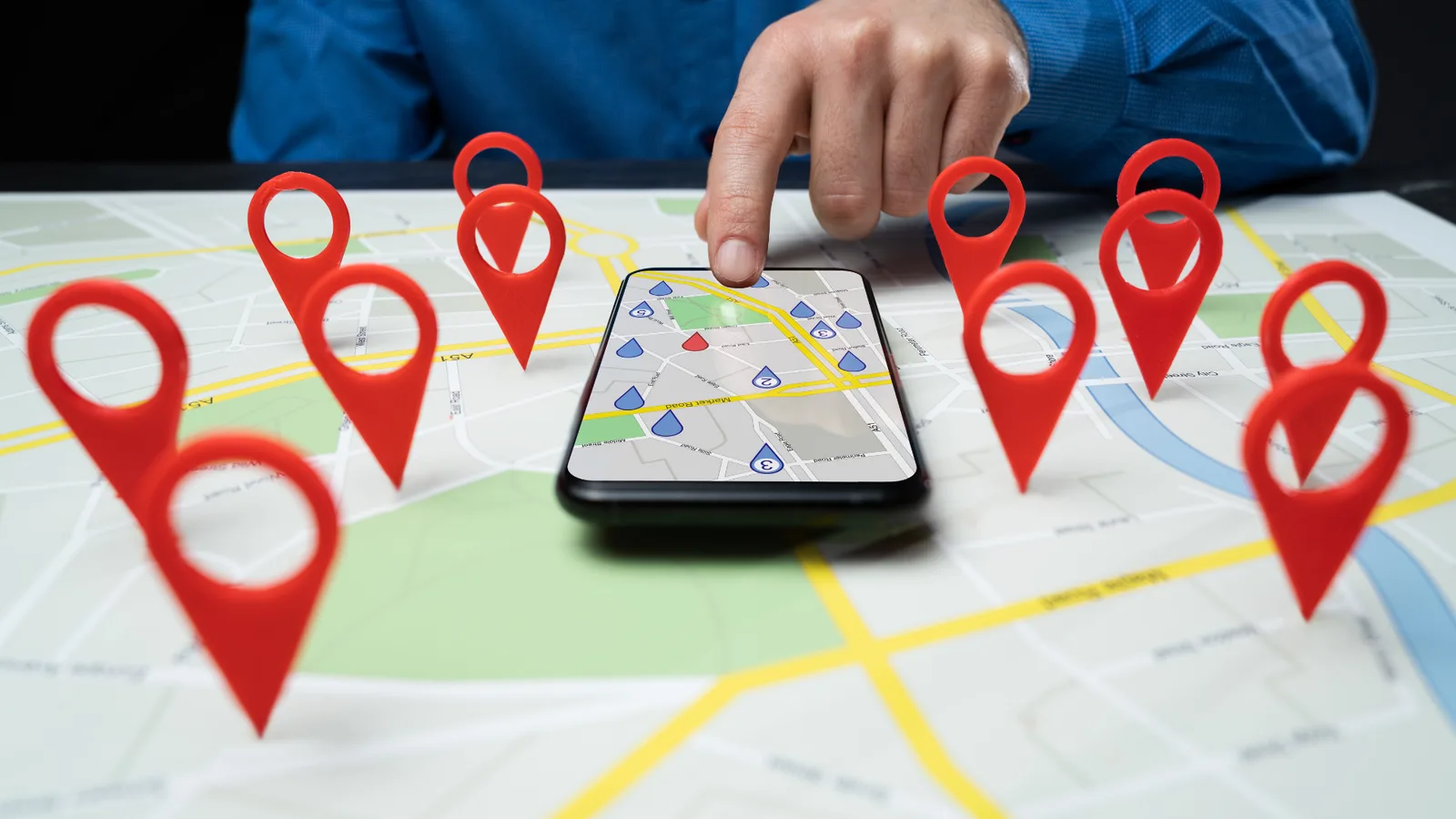
Citations are directory listings of your business name, address, phone, and website. NAP consistency across citations is a foundational local SEO requirement. For service-area businesses ranking in multiple cities, citations also need to use the same NAP and the same service area description everywhere. Inconsistencies create ranking friction.
Beyond NAP, look for citation opportunities that specifically reference your service area. Chamber of commerce memberships in cities you serve, local industry directories, and niche contractor directories often include service area fields. Fill them out completely and consistently. Over 6 to 12 months, a well-cited profile out-ranks a poorly cited profile even when everything else is equal.
Tracking and iteration
Track rankings for each city separately. Tools like Local Falcon or GeoRanker let you grid-search your rankings by city and see where you are ranking at each point in the grid. If you are ranking in 7 of 12 cities after 6 months, you can use the grid data to identify which cities need more attention.
Common patterns we see: cities farther from your actual business address rank last, cities with higher review concentration from your existing customers rank first, and cities that align with the strongest internal link structure on your website rank more consistently. Use the pattern analysis to prioritize your next wave of city pages, posts, and review outreach.
Takeaway
Multi-city ranking from a single GBP is a discipline, not a tactic. It requires months of consistent execution across website content, GBP optimization, posts, reviews, and citations. Contractors who stay disciplined usually see meaningful results by month 6 and dominant results by month 9 to 12. Contractors who execute sporadically rarely break out of their immediate home city.
If you need help executing this playbook, Reimagine runs multi-city Local SEO for Central Florida contractors with territory exclusivity. Our own contractor, Rocket Garage Door Services, is the live proof that the playbook works at scale. Book a discovery call if your trade and metro are still open.
Work with Reimagine
Ready to build a lead pipeline for your business?
We take one contractor per trade per metro. A 30-minute call with no pressure: we confirm territory availability and fit, then you decide.
Most metros in Florida still have open slots.
Book a Discovery CallWritten by
Dr. Kebar Y
Co-Founder, Reimagine Digital Marketing · PhD in Marketing, with doctoral research on small business failure patterns. Ex-Google (2 years). Currently at Meta (1+ year).
Keep reading
More playbooks
Services in this playbook